





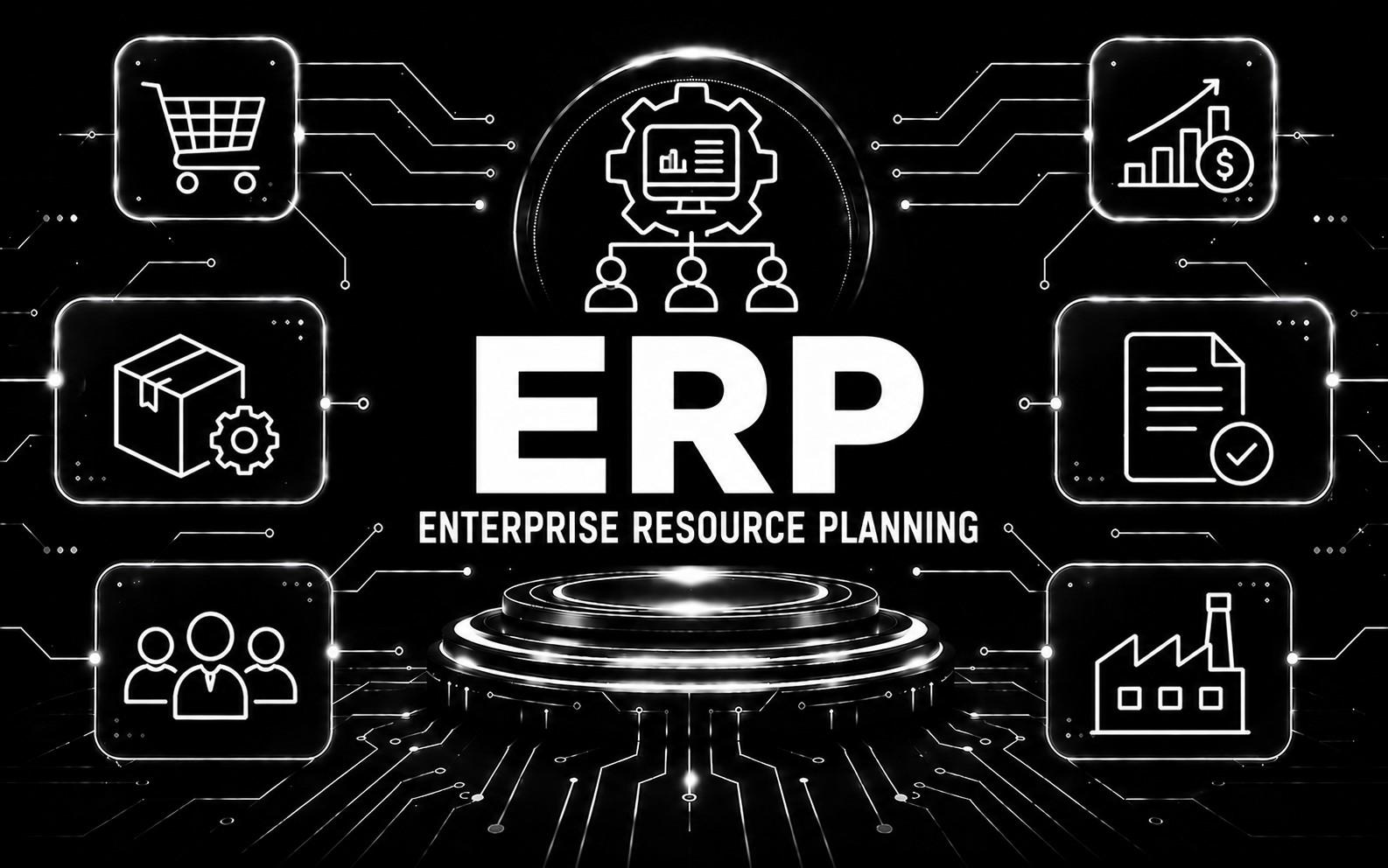
Built for teams who need clarity and speed
Deployments
supported
Engineering
coverage
Major releases
per year
What powers this product
HTML

• HTML (HyperText Markup Language) is the backbone of web structure, defining content layout.
• It uses tags and elements to organize text, images, and multimedia on web pages.
• HTML5 introduced new tags for better multimedia support and cleaner, semantic code.
• It is platform-independent, allowing for consistent structure across devices.
• HTML forms the foundation of web development, working seamlessly with CSS and JavaScript.
CSS

• CSS (Cascading Style Sheets) controls the styling and layout of web pages.
• It enables developers to create visually appealing designs and responsive layouts.
• CSS3 introduced features like animations, transitions, and grid/flexbox layouts.
• It separates design from content, making maintenance and customization easier.
• Media queries allow CSS to adapt layouts for various screen sizes, enhancing user experience.
JavaScript

• JavaScript is a versatile scripting language that adds interactivity to web pages.
• It supports client-side validation, dynamic content updates, and interactive UI elements.
• JavaScript works well with HTML and CSS for a seamless, responsive experience.
• With libraries like React and frameworks like Node.js, it can be used for full-stack development.
• Its asynchronous capabilities enable smooth, real-time interactions with web servers.
AJAX
• AJAX (Asynchronous JavaScript and XML) enables asynchronous data exchange with servers.
• It allows web pages to update content without reloading, improving user experience.
• AJAX uses JavaScript to send and receive data, often in JSON format, for fast interactions.
• It's commonly used in applications like live search, chat, and data updates.
• AJAX helps create dynamic, responsive web applications with smooth data handling.
Bootstrap

• Bootstrap is a popular CSS framework for building responsive, mobile-first websites.
• It provides a set of pre-designed components like buttons, forms, and navbars.
• Grid system and utility classes simplify layout creation and customization.
• Bootstrap's extensive library speeds up development with consistent, professional designs.
• Its components are customizable and work well across browsers and screen sizes.
PHP

• PHP (Hypertext Preprocessor) is a server-side scripting language for web development.
• It enables dynamic content creation and handles database interactions seamlessly.
• PHP is open-source, widely supported, and integrates well with HTML and MySQL.
• It powers many CMS platforms, including WordPress, making it highly versatile.
• PHP’s ease of use and strong community support make it ideal for back-end web development.
Laravel

• Laravel is a PHP framework that simplifies complex web application development.
• It offers an elegant syntax, routing, and ORM for clean, organized code.
• Built-in features like authentication, validation, and templating streamline development.
• Laravel’s Artisan CLI and robust ecosystem make task automation and maintenance easier.
• Its MVC architecture supports separation of concerns, enhancing scalability and maintenance.
jQuery

• jQuery is a JavaScript library that simplifies DOM manipulation and event handling.
• It provides concise, cross-browser code for animations, AJAX requests, and UI effects.
• jQuery's syntax is easy to learn, reducing code complexity for common tasks.
• It offers a large library of plugins, extending functionality without additional code.
• jQuery's popularity and versatility make it a go-to for adding interactive features.
Mailtrap

• Mailtrap is an email testing tool for capturing and testing emails in a safe environment.
• It allows developers to test email functionality without sending real emails.
• Mailtrap provides insights into email performance, ensuring deliverability and formatting.
• It supports various integrations and makes debugging easy for development environments.
• With Mailtrap, teams can test templates, addresses, and notifications securely.
MySQL
• MySQL is an open-source relational database management system (RDBMS).
• It supports SQL queries for data manipulation and efficient storage and retrieval.
• MySQL is highly scalable, capable of handling large databases and concurrent users.
• It integrates seamlessly with web applications, especially in the LAMP stack.
• MySQL's reliability and strong community support make it popular for data management.
Vue.js

• Vue.js is a progressive JavaScript framework for building UIs and single-page applications.
• It features a reactive data binding system for efficient and responsive interfaces.
• Vue’s component-based structure promotes reusable, organized code.
• It’s lightweight, easy to learn, and can be incrementally integrated into existing projects.
• Vue’s ecosystem, including Vue Router and Vuex, supports full-featured application development.
SASS

• SASS (Syntactically Awesome Style Sheets) is a CSS preprocessor that extends CSS capabilities.
• It allows variables, nesting, and functions for more organized and manageable stylesheets.
• SASS reduces repetitive code, enhancing maintainability and scalability.
• Its mixins enable reusable styles, while imports streamline large projects.
• SASS compiles into standard CSS, making it compatible with all browsers.
Product features
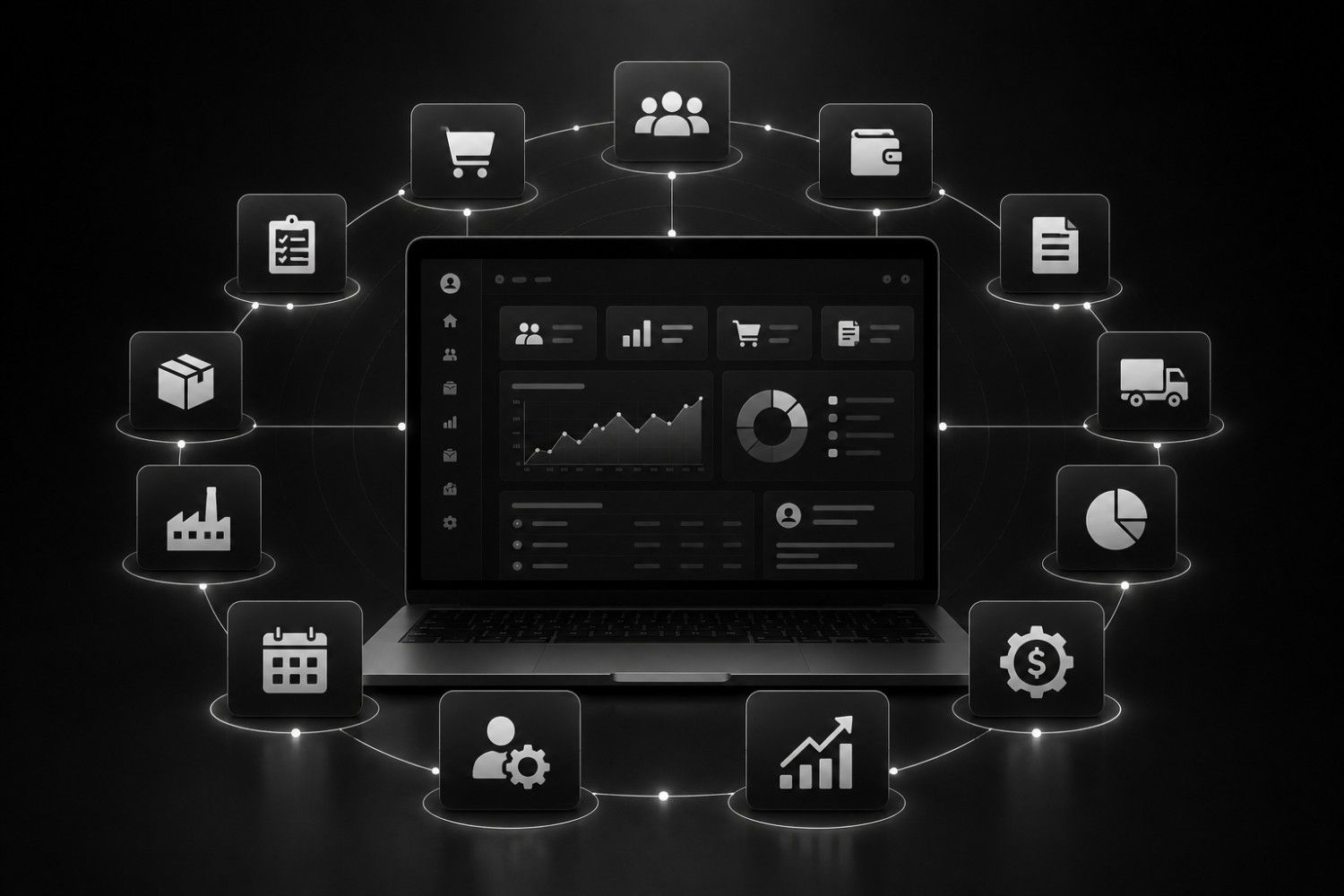
All-in-One Business Modules
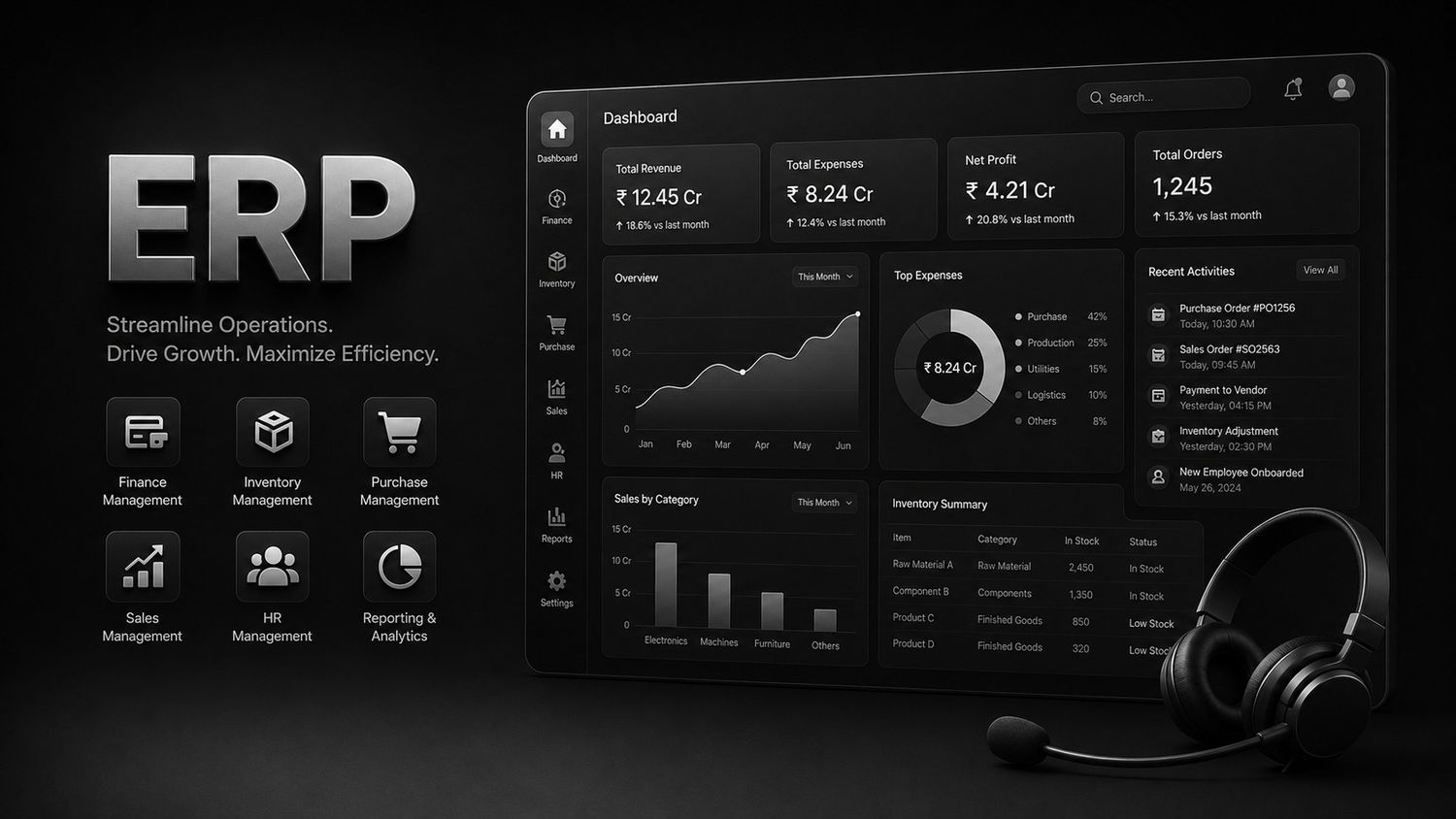
Capnis ERP integrates essential business operations—finance, HR, sales, purchases, inventory, and CRM—into one centralized system.
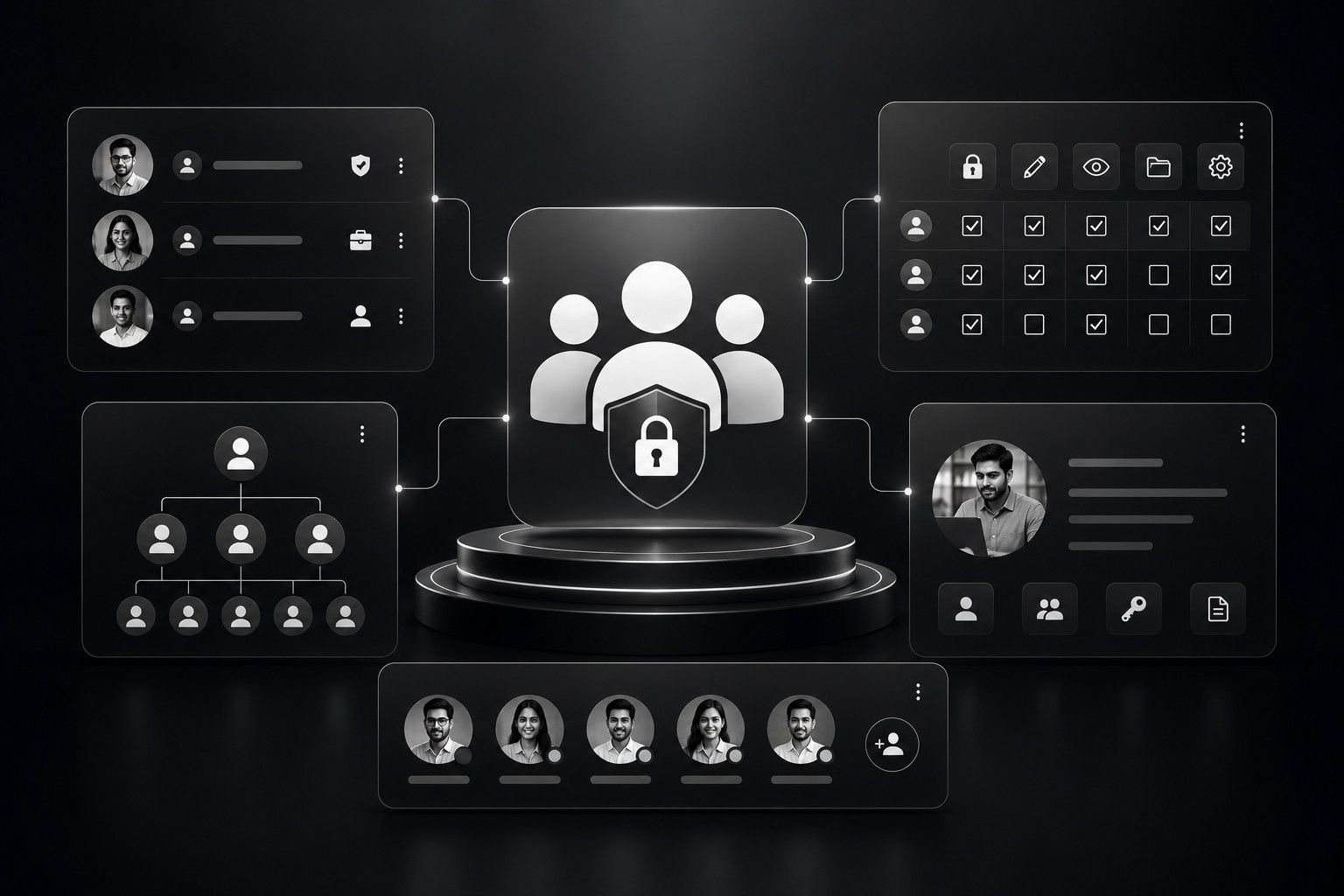
Role-Based Access Control
Create and manage staff roles with specific access levels for secure and structured departmental operations.

Built-in Accounting System
Handle invoicing, transactions, expenses, refunds, and generate detailed financial reports directly within the ERP.

Inventory & Stock Management
Track stock levels, warehouse movements, and get low-inventory alerts in real time.
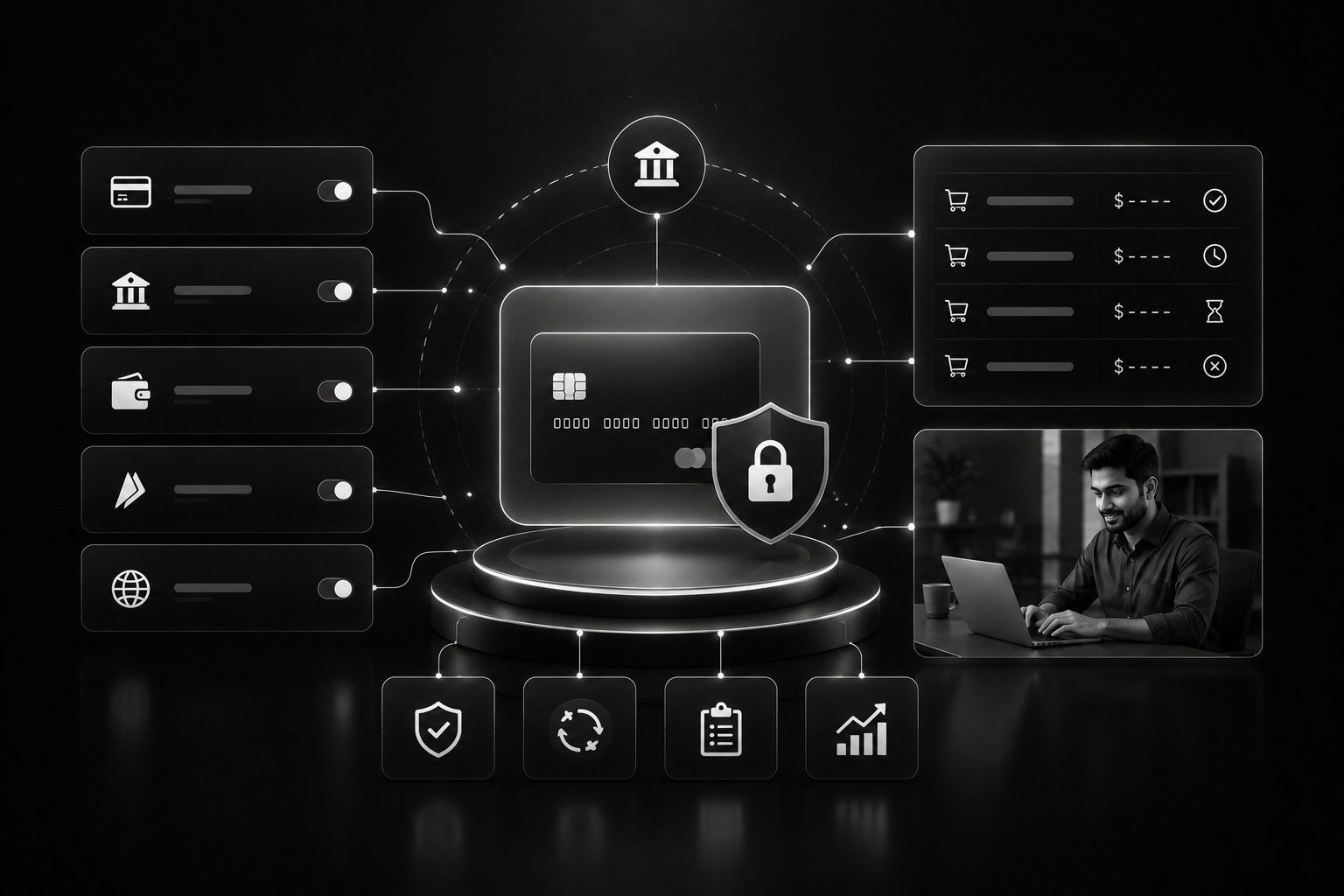
Payment Gateway Integration
Supports PayPal, Stripe, Razorpay, and PhonePe for smooth, secure transactions across regions.

File & Document Storage
Upload and manage business documents, invoices, contracts, and reports with secure cloud storage options.
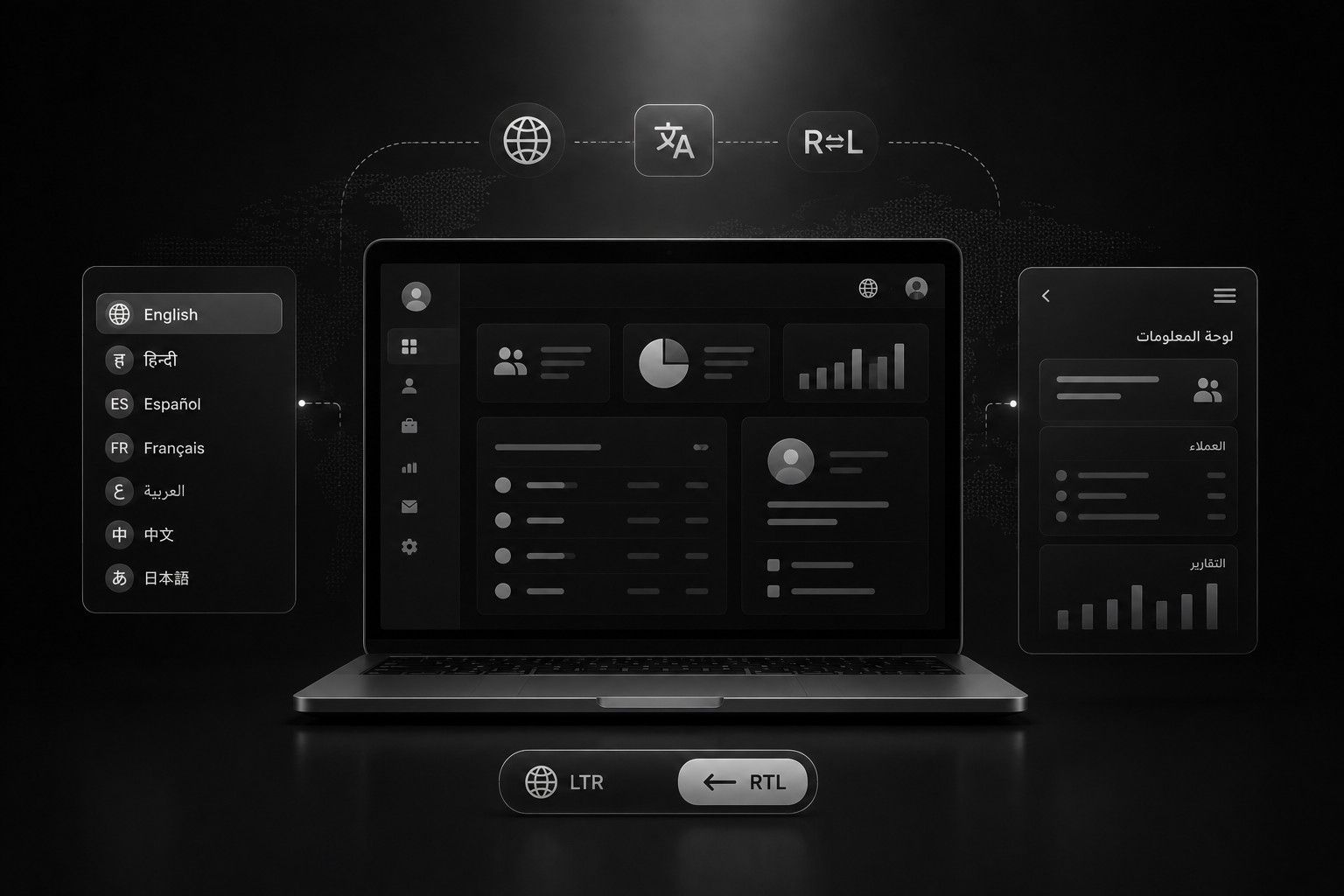
Localization & RTL Support
Supports multiple currencies, languages, and right-to-left (RTL) text for global compatibility.
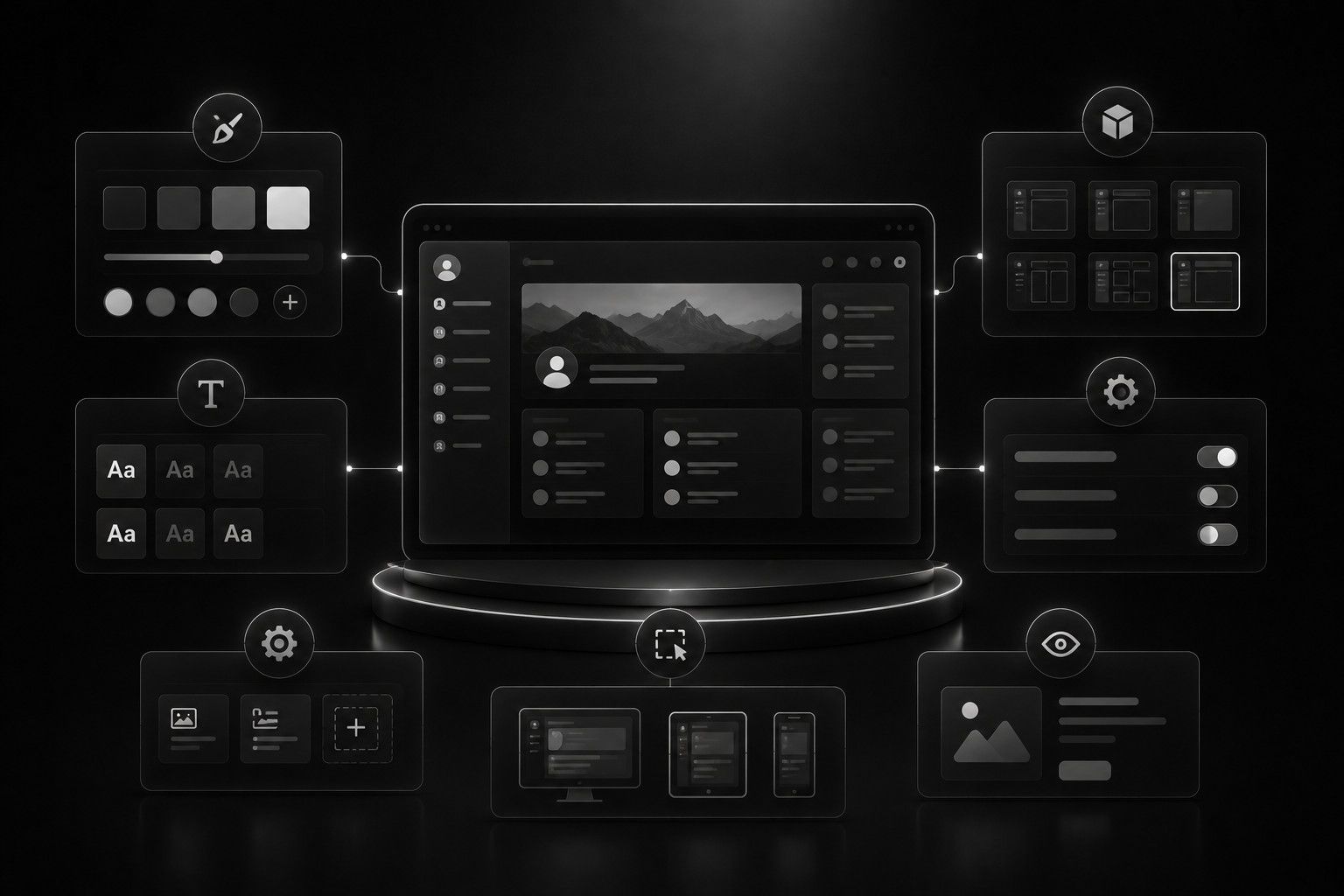
Customizable & Scalable
Modify UI, content, modules, and workflows to match your business model and scale as you grow.

Admin Dashboard & Analytics
A powerful admin panel provides actionable reports, system controls, and real-time performance metrics.
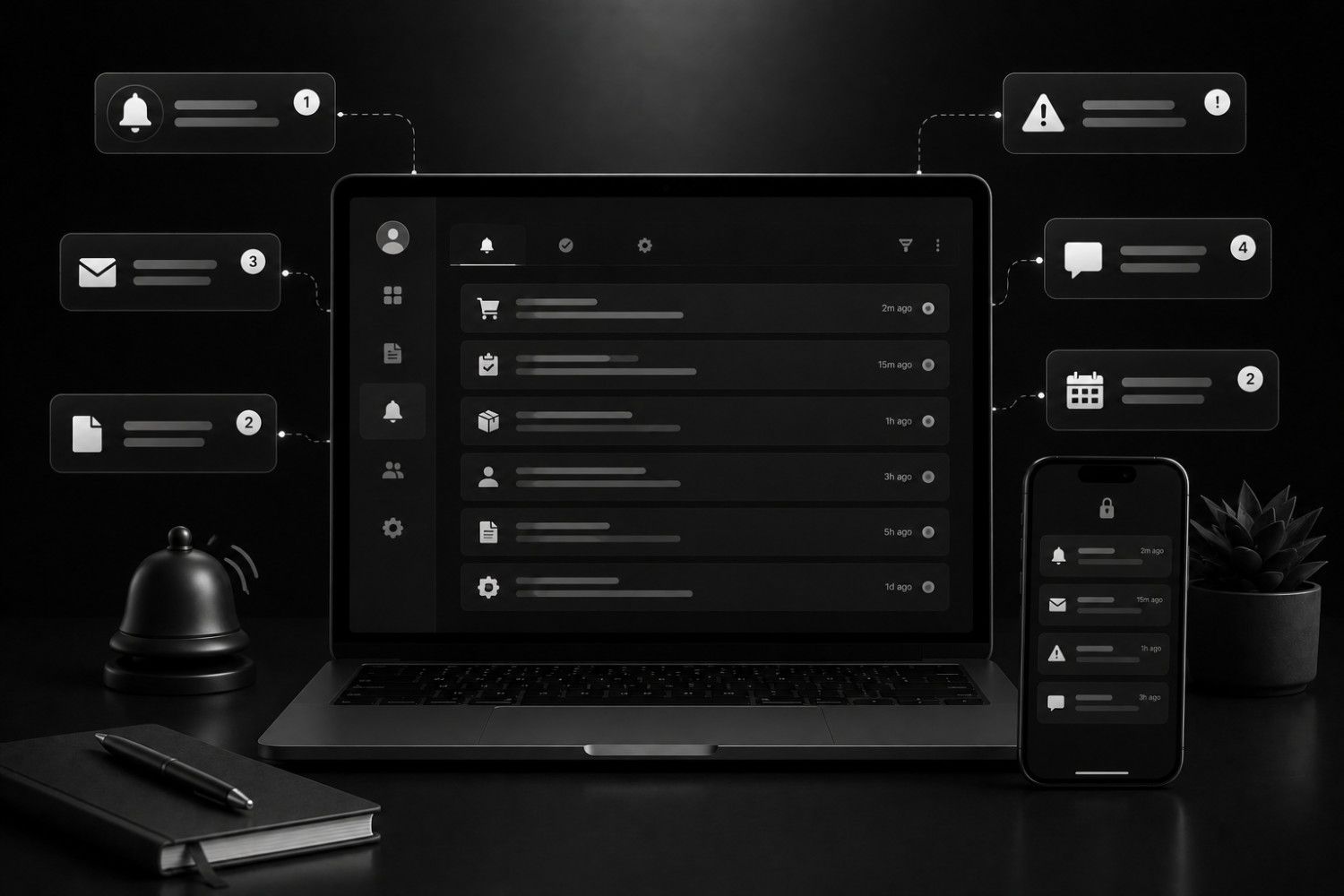
Notification & Alert System
Send automated alerts for approvals, deadlines, inventory, tasks, and financial updates.

Staff Performance & Reward Badges
Encourage team performance with badges based on sales, targets, and task completion.
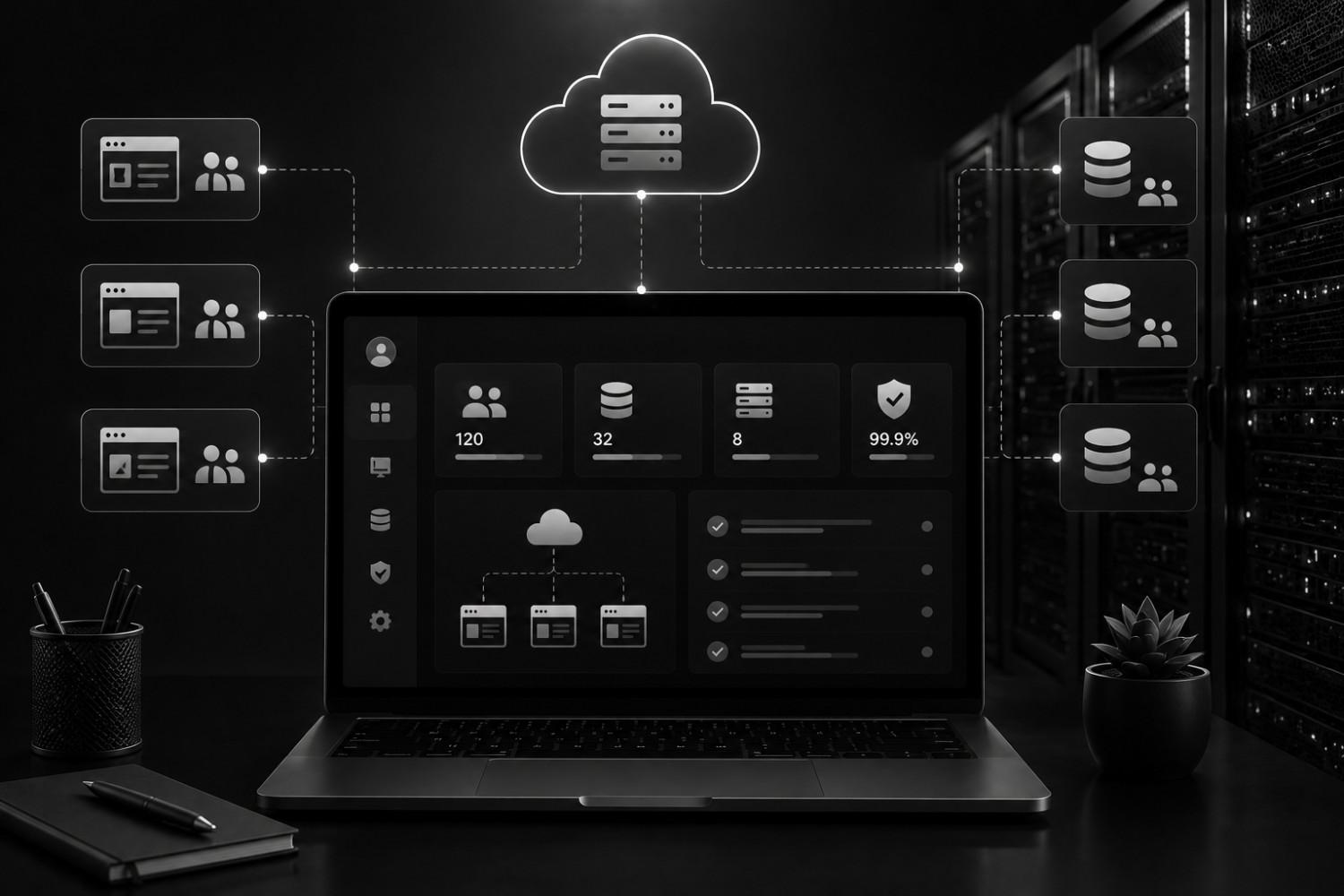
Shared Hosting Ready
Capnis ERP runs efficiently even on basic shared hosting—no need for high-end infrastructure.
Inside the product
ERP(Enterprise Resource Planning)

ERP(Enterprise Resource Planning)
Capnis InfoTech Private Limited
A Web Development Company
Answers before you buy
Capnis ERP is developed using Laravel 12 for the backend and HTML, SCSS, Bootstrap, jQuery, and Webpack for the frontend. It uses MySQL for the database.
Yes, it’s a ready-to-use system. Just upload it to your server, install, and you can start managing your business operations.
Absolutely. All features, code, content, and designs are fully customizable if you have development access.
Yes, free installation support is provided to help you get started quickly.
If any error is caused by us, we will fix it free of charge with timely updates.
Yes, you’ll get lifetime access to product updates at no extra cost.
No, lifetime support is not included. Support is available for a limited time or as a paid service.
Yes, it is fully compatible with shared hosting environments, with no special server requirements.
Capnis ERP supports PayPal, Stripe, Razorpay, and PhonePe for international and local transactions.
What teams say
“Capnis ERP has transformed the way we manage our business. The centralized dashboard gives us real-time insights into every department, making it easier to make strategic decisions. Highly recommend it for any growing company.”

“We needed a system that could be tailored to our industry-specific needs, and Capnis ERP exceeded our expectations. Their team helped us configure each module, and we’ve seen a significant improvement in efficiency.”