




Built for teams who need clarity and speed
Deployments
supported
Engineering
coverage
Major releases
per year
What powers this product
Cloud-Based Purchase Management Software

Cloud-based purchase management software allows organizations to manage their procurement processes securely over the internet. It offers scalability, accessibility, and flexibility, enabling users to access the system from anywhere with an internet connection. This technology eliminates the need for on-premises infrastructure and maintenance, reducing IT costs and improving agility.
Artificial Intelligence (AI) and Machine Learning (ML)

AI and ML technologies are increasingly being integrated into purchase management software to automate routine tasks, analyze spending patterns, and predict future demand. AI-powered algorithms can optimize procurement processes by identifying cost-saving opportunities, recommending suitable suppliers, and detecting anomalies or fraudulent activities.
Blockchain Technology

Blockchain technology provides enhanced transparency, security, and traceability to purchase management processes. By leveraging decentralized ledgers, organizations can create immutable records of transactions, ensuring data integrity and preventing tampering or fraud. Blockchain-based purchase management systems enable greater trust between buyers and suppliers and facilitate faster, more secure payments.
Mobile Applications
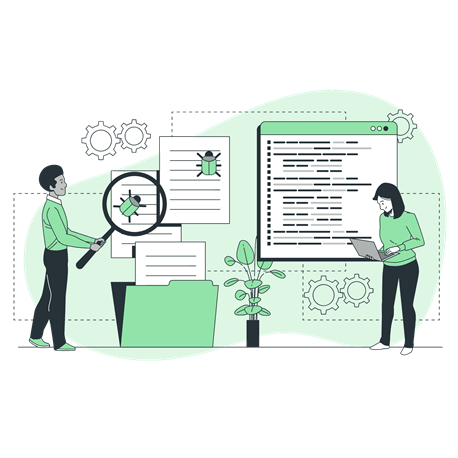
Mobile applications empower users to manage procurement tasks on the go, enabling them to create purchase requisitions, approve orders, and track shipments from their smartphones or tablets. Mobile-friendly purchase management solutions enhance user productivity and responsiveness, allowing stakeholders to stay connected and informed regardless of their location.
Integration with ERP Systems

Integration with enterprise resource planning (ERP) systems is essential for seamless data exchange between purchase management and other business functions such as finance, inventory management, and accounting. By integrating purchase management software with ERP systems, organizations can achieve end-to-end visibility and automation of their procurement processes, leading to improved efficiency and decision-making.
Product features
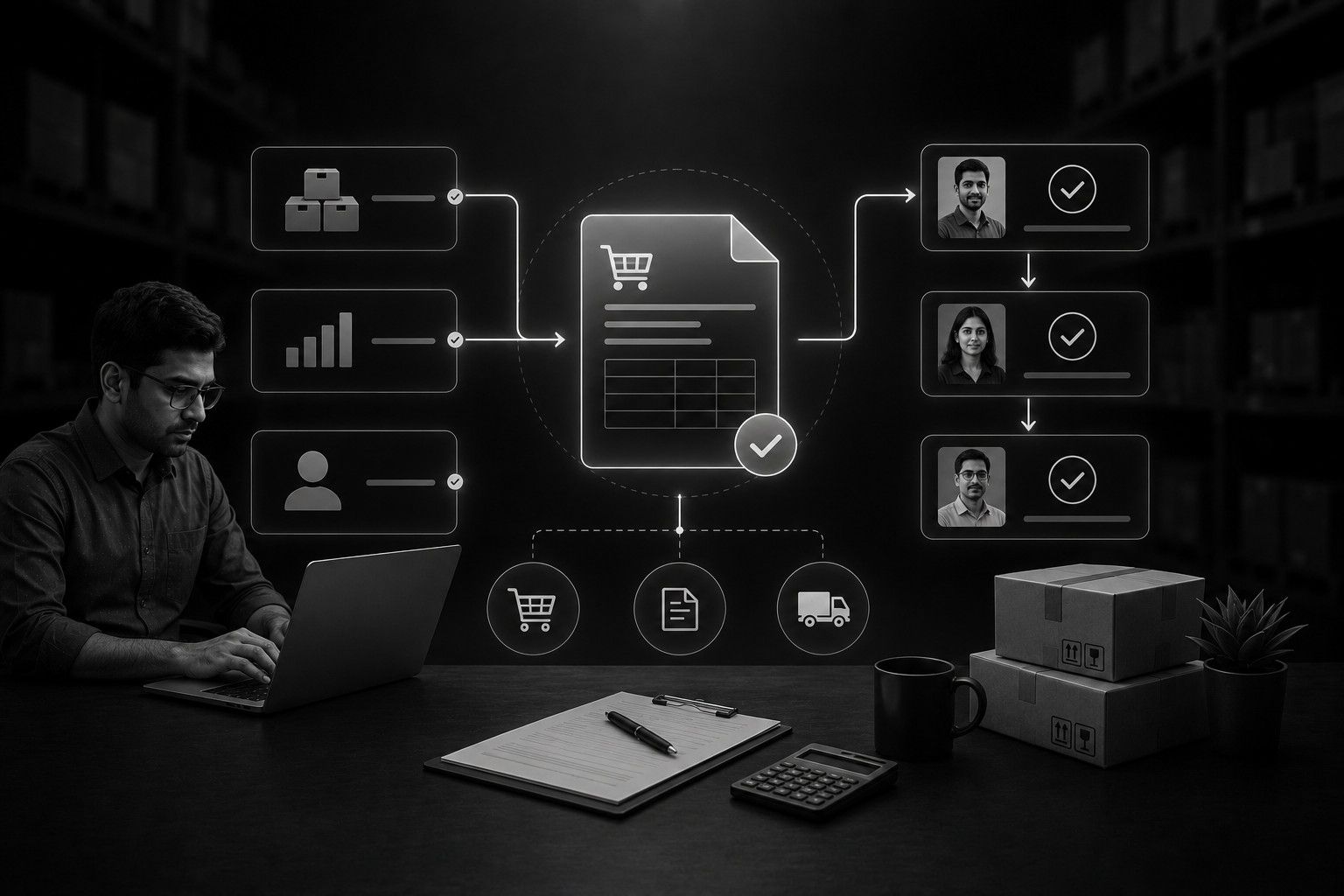
Purchase Requisition Management
Our Purchase Management solution streamlines the requisition process, allowing employees to submit purchase requests electronically. Users can create detailed requisitions, specify required items or services, and route requests for approval. This feature ensures standardized request handling, improves visibility, and reduces manual paperwork.
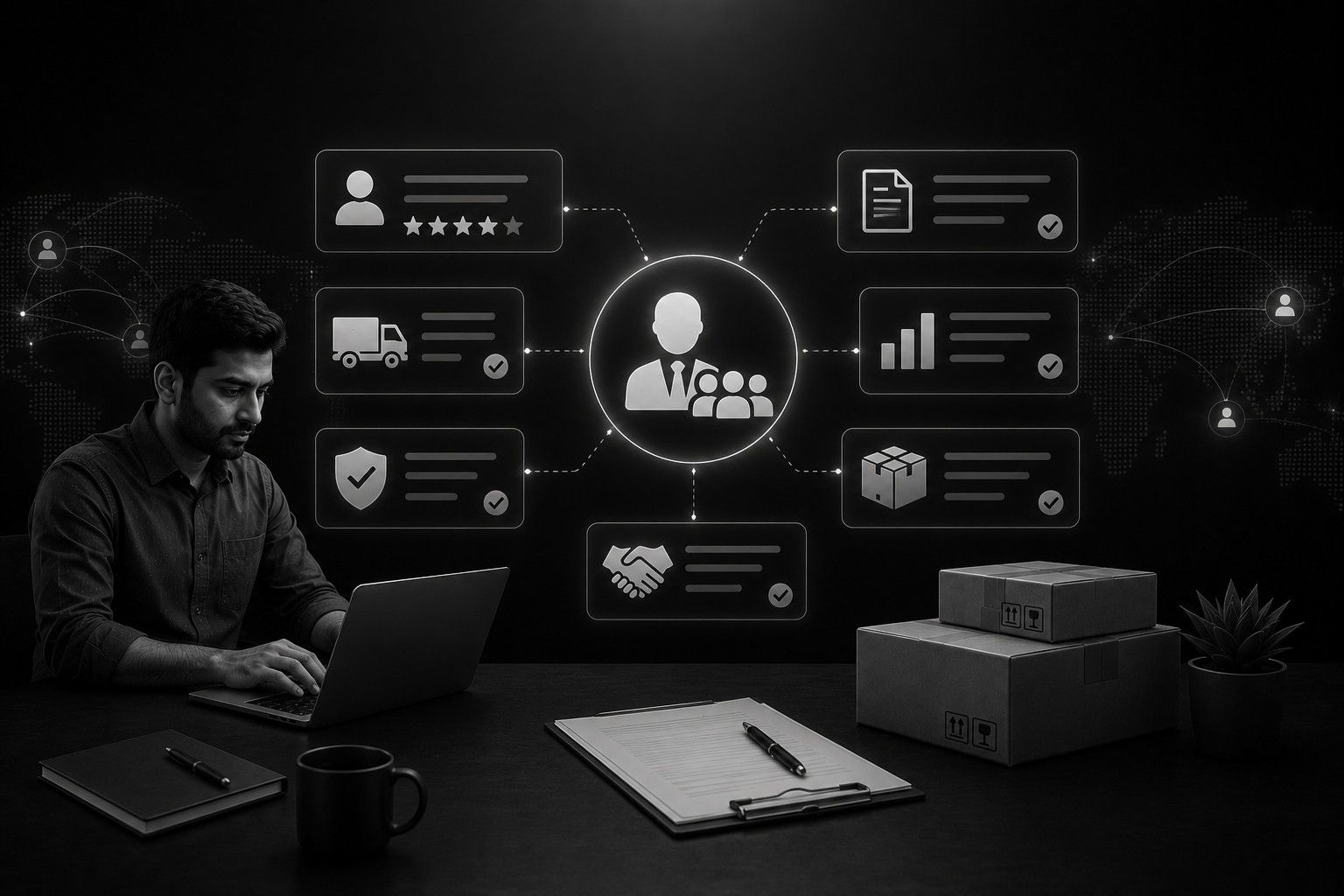
Supplier Management Portal
The Supplier Management Portal provides a centralized platform for managing supplier relationships and interactions. Users can maintain a comprehensive database of suppliers, including contact information, contracts, and performance metrics. This feature enables efficient supplier onboarding, collaboration, and evaluation, fostering stronger partnerships and driving procurement success.
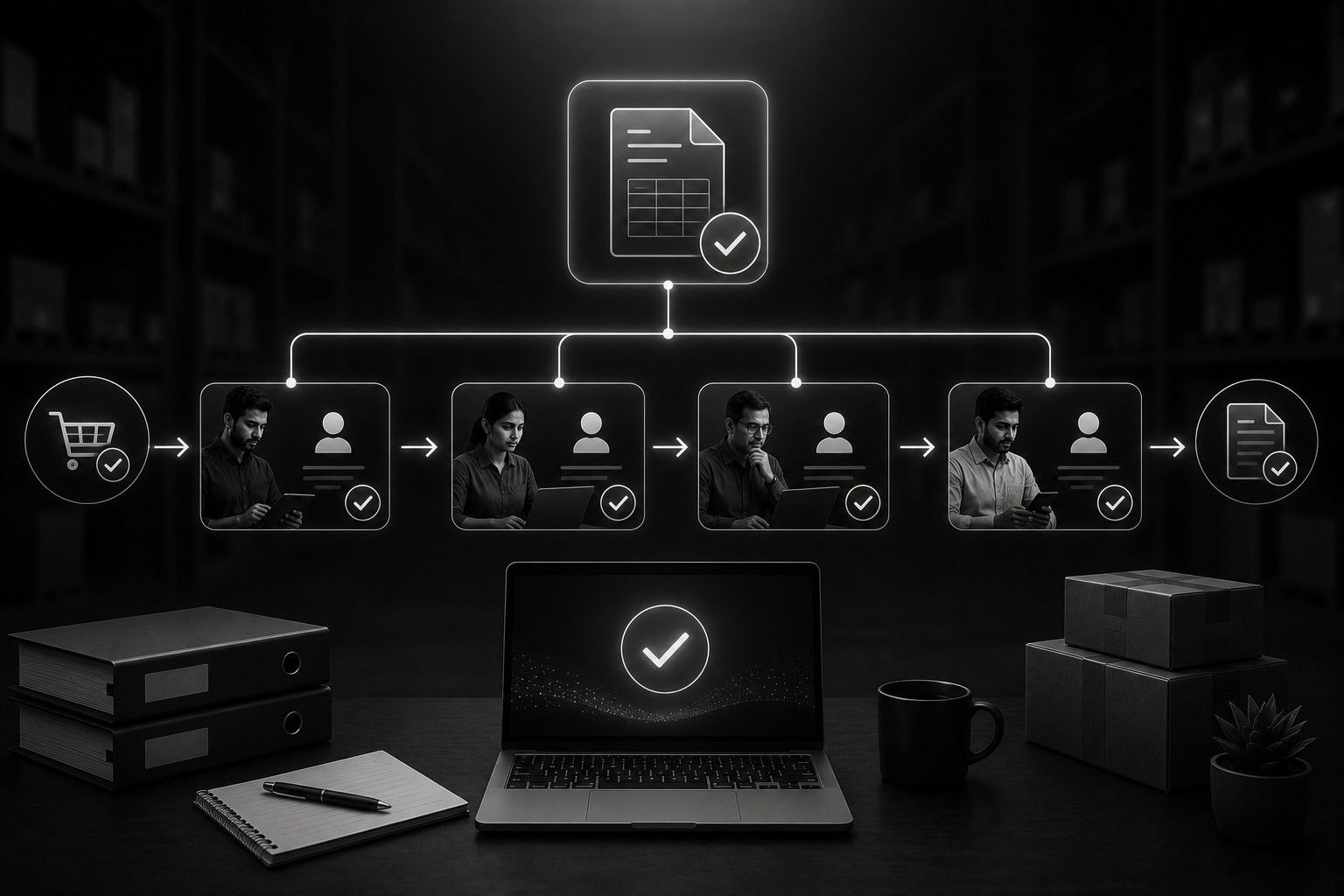
Automated Approval Workflows
Automated approval workflows streamline the purchase approval process by routing requisitions to the appropriate stakeholders based on predefined rules and criteria. Users can set up customizable approval workflows, establish authorization hierarchies, and enforce spending limits. This feature accelerates approval cycles, minimizes bottlenecks, and ensures compliance with organizational policies and regulations.
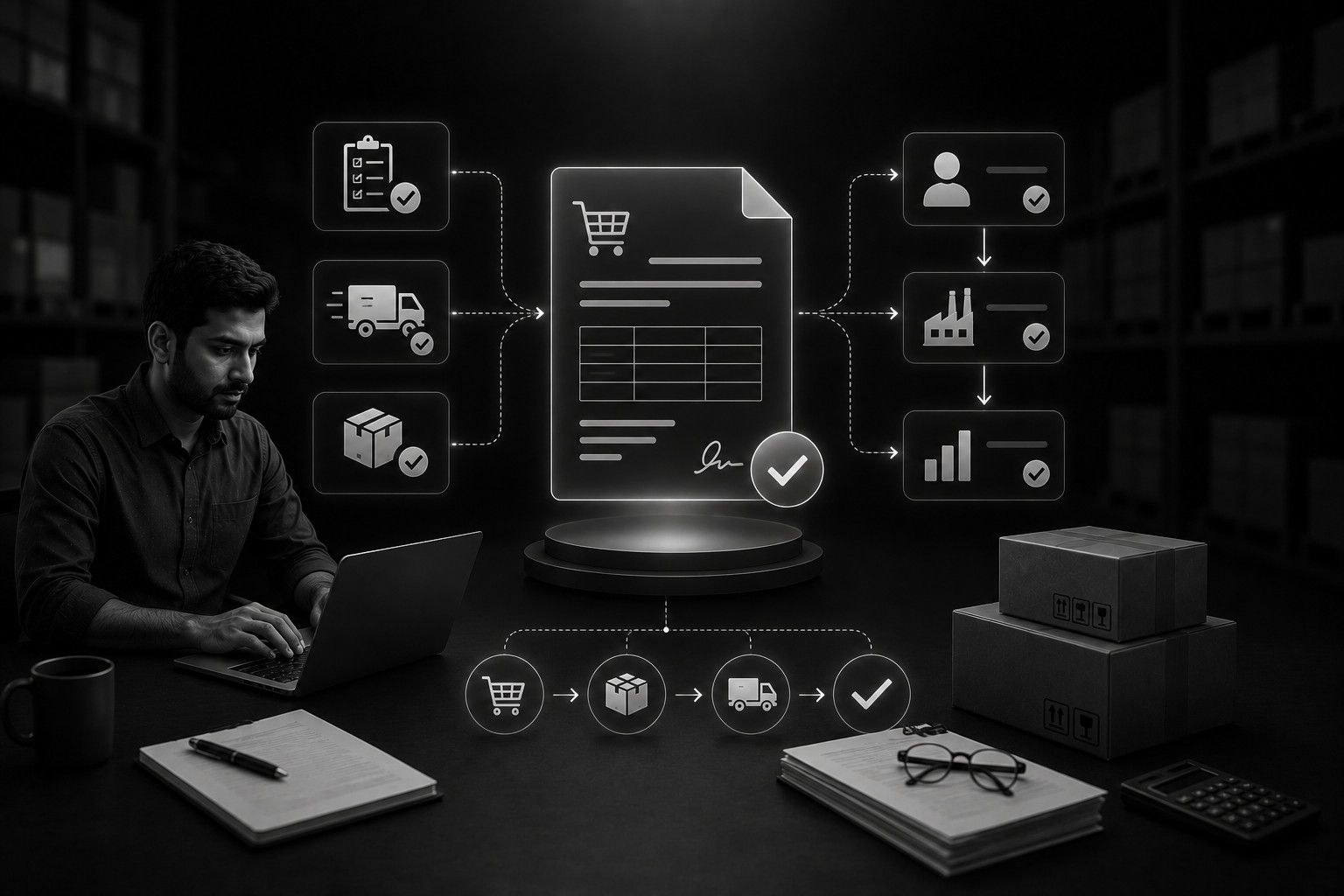
Purchase Order (PO) Management
Our Purchase Management solution offers robust PO management capabilities, allowing users to create, track, and manage purchase orders with ease. From generating POs based on approved requisitions to tracking order status and receiving goods/services, this feature facilitates end-to-end order management. Users can monitor budget allocations, track spending against POs, and reconcile invoices efficiently.
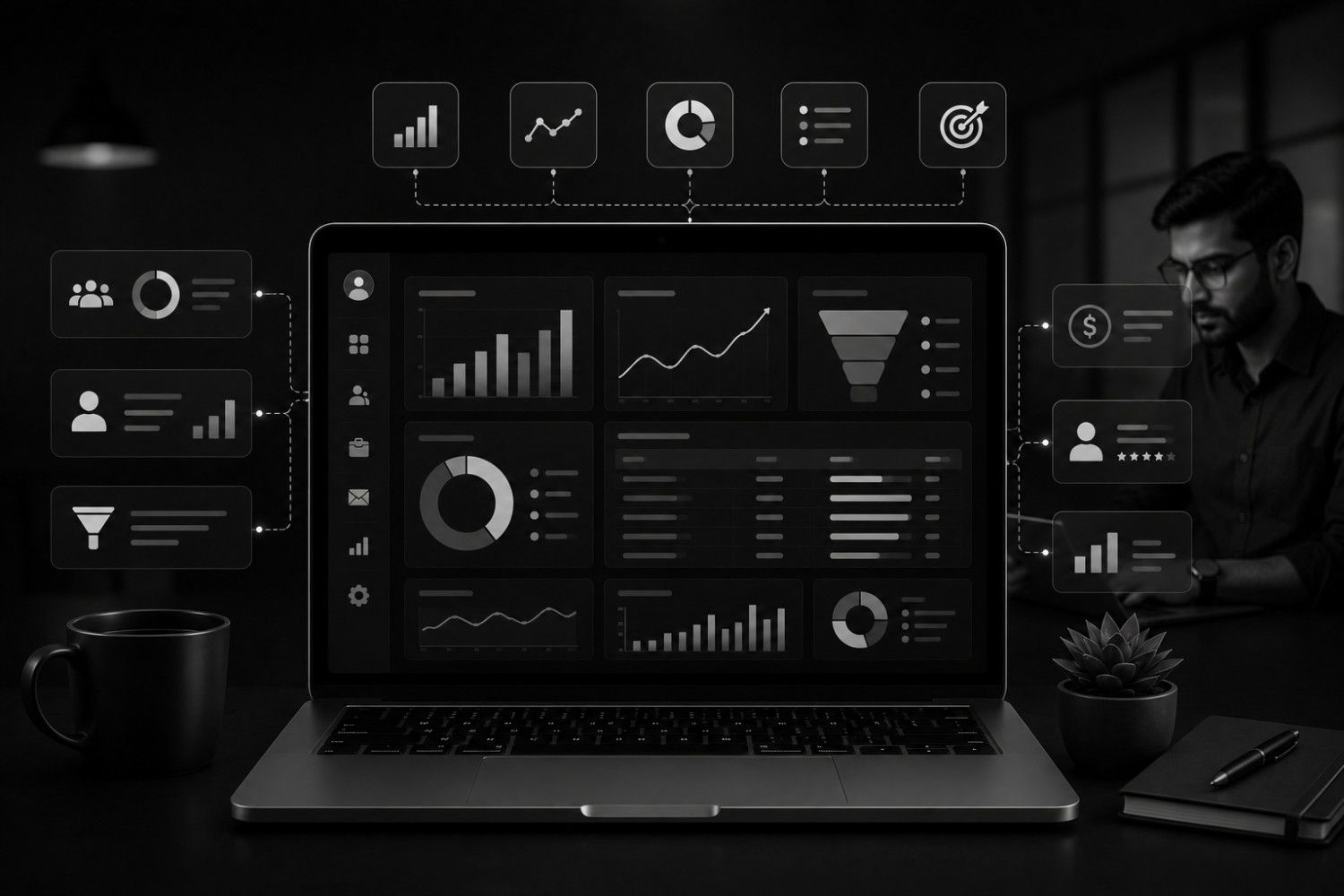
Real-Time Analytics and Reporting
Real-time analytics and reporting empower users to gain actionable insights into their procurement activities and performance metrics. Our solution offers customizable dashboards, interactive reports, and data visualization tools that enable users to monitor key metrics, identify trends, and make informed decisions. With real-time visibility into spending, supplier performance, and inventory levels, organizations can optimize purchasing strategies, mitigate risks, and drive continuous improvement.
Inside the product
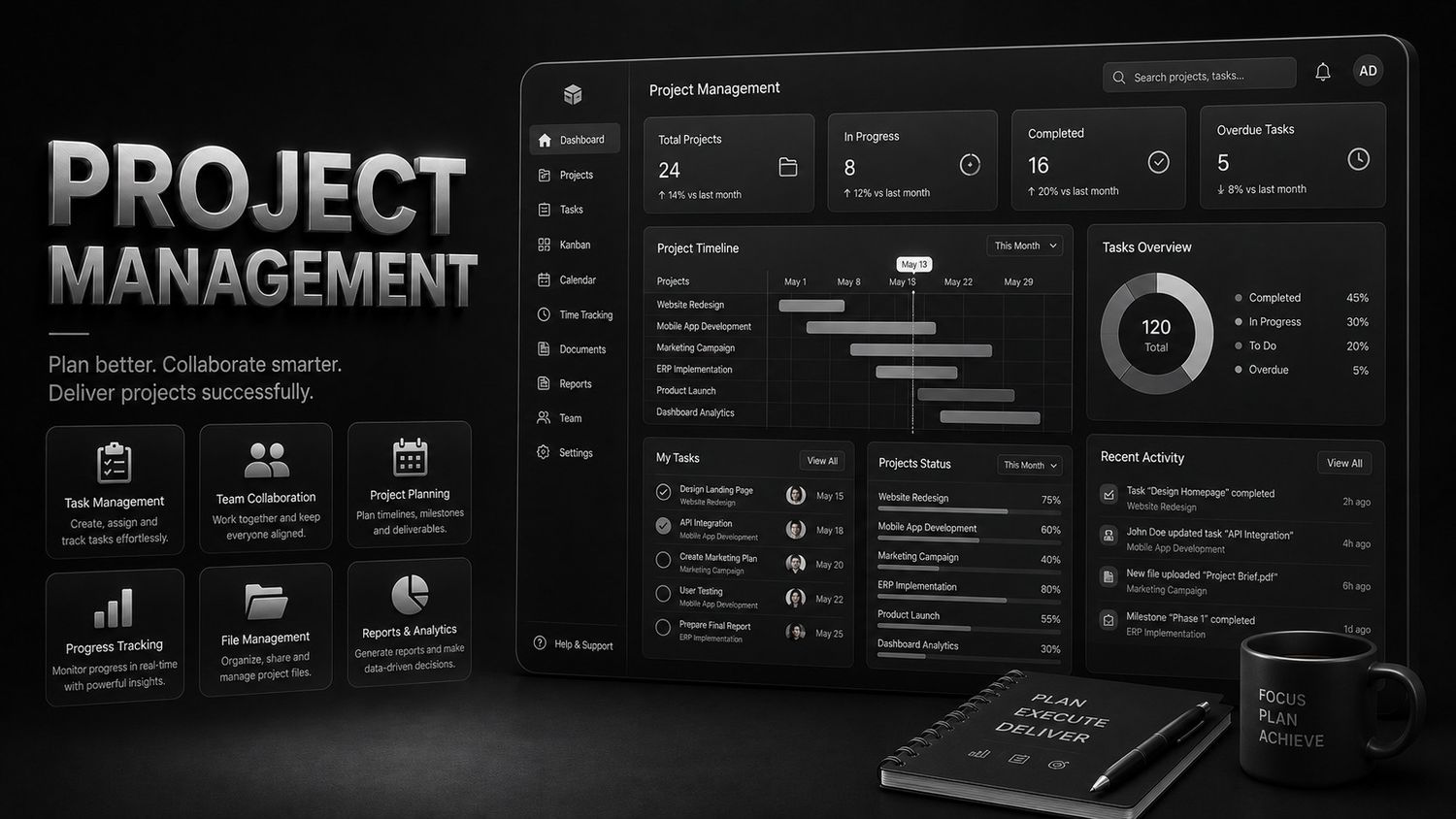
Purchase Management
Answers before you buy
Our Purchase Management solution automates the handling of purchase requisitions by providing a user-friendly interface for employees to submit requests electronically. The system routes requisitions through predefined approval workflows, ensuring that requests are reviewed and approved by the appropriate stakeholders in a timely manner.
Yes, our Purchase Management solution is designed to seamlessly integrate with existing ERP systems, allowing for the exchange of data between procurement and other business functions such as finance, inventory management, and accounting. This integration ensures data consistency, eliminates manual data entry errors, and provides a holistic view of organizational spending and performance.
Our Purchase Management solution includes a comprehensive supplier management portal where users can centralize all supplier-related information, including contact details, contracts, performance evaluations, and transaction history. This portal enables organizations to efficiently onboard new suppliers, collaborate effectively with existing ones, track supplier performance, and make informed decisions about supplier selection and contract negotiations.
What teams say
“As the CEO of our company, I prioritize efficiency, innovation, and strategic decision-making. The Purchase Management solution provided by [Company Name] has exceeded our expectations in all these aspects. It has empowered our teams to collaborate more effectively, make informed purchasing decisions, and achieve cost savings through better supplier management and spending control. With its intuitive interface and powerful features, this solution has become an indispensable tool for driving our organization's success.”