




Built for teams who need clarity and speed
Deployments
supported
Engineering
coverage
Major releases
per year
What powers this product
MySQL
MySQL is a popular open-source relational database management system known for its reliability, scalability, and ease of use, making it ideal for managing structured data in various applications and environments.
PostgreSQL
PostgreSQL is a powerful open-source object-relational database system renowned for its advanced features, extensibility, and reliability, making it a preferred choice for managing complex and high-performance data storage needs in various applications and industries.
AngularJS

AngularJS is a comprehensive JavaScript framework maintained by Google, designed for building dynamic single-page web applications with ease. Its robust features, data binding capabilities, and modular architecture empower developers to create interactive and responsive user interfaces efficiently.
ReactJS

ReactJS is a popular JavaScript library developed by Facebook, known for building user interfaces with a component-based architecture, reusability, and high performance. Its declarative syntax and virtual DOM make it efficient for creating interactive and dynamic web applications with ease.
iOS development
iOS development refers to the process of creating mobile applications specifically for Apple's iOS operating system, using languages like Swift or Objective-C. It involves designing, coding, testing, and deploying apps tailored for iPhones, iPads, and other Apple devices, ensuring a seamless user experience within the iOS ecosystem.
Product features

Scalability
PostgreSQL offers robust scalability features, allowing it to handle large volumes of data and accommodate growing workloads without compromising performance. Its support for table partitioning, replication, and clustering enables seamless scaling to meet evolving business needs.

Advanced Data Types
PostgreSQL provides a rich set of advanced data types beyond the standard SQL types, including arrays, JSON, XML, and geometric data types. These data types enable developers to store and manipulate complex data structures efficiently, facilitating the development of diverse applications.

Extensibility
PostgreSQL's extensibility allows developers to customize and extend its functionality through user-defined functions, data types, and procedural languages like PL/pgSQL, PL/Python, and PL/Perl. This flexibility enables the implementation of specialized features and business logic within the database itself.

Data Integrity and Reliability
PostgreSQL ensures data integrity and reliability through features such as ACID (Atomicity, Consistency, Isolation, Durability) compliance, multi-version concurrency control (MVCC), and robust crash recovery mechanisms. These features guarantee transactional consistency and data durability, even in the event of system failures or crashes.

Security
PostgreSQL prioritizes data security with features like role-based access control (RBAC), SSL/TLS encryption, and comprehensive auditing capabilities. It offers fine-grained access control mechanisms, allowing administrators to define granular permissions at the database, schema, table, and even row level, ensuring data confidentiality and integrity.
Inside the product

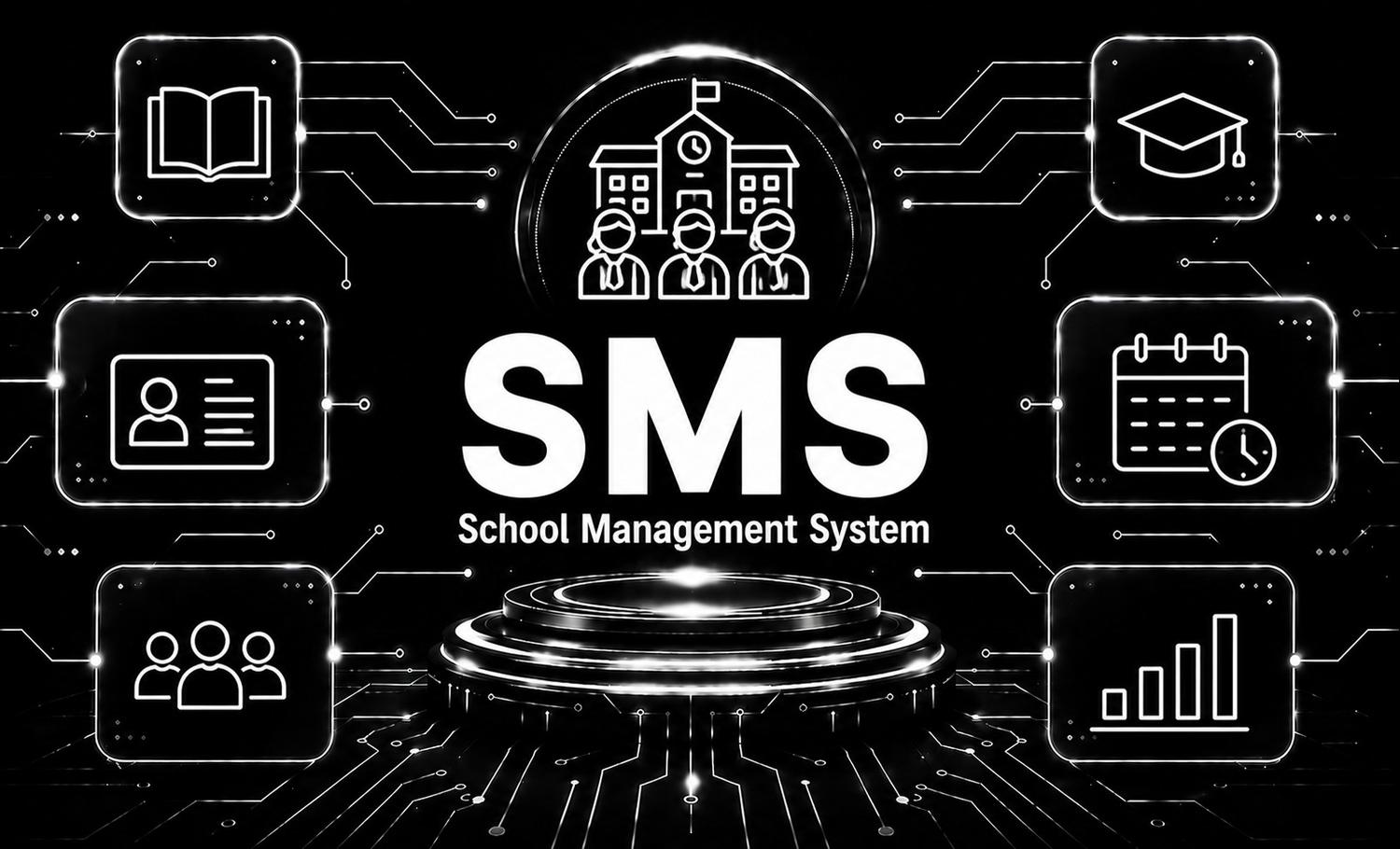
SMS-School Management System

SMS-School Management System
Answers before you buy
The School Management System allows administrators to efficiently manage student records, including admissions, attendance, grades, and personal details, providing comprehensive insights into student performance and progress.
Yes, the School Management System optimizes teacher and staff administration by facilitating tasks such as scheduling, payroll management, and communication, thereby enhancing workforce efficiency and collaboration within the school ecosystem.
The School Management System prioritizes data security with features such as role-based access control, encryption, and comprehensive auditing capabilities, ensuring the confidentiality and integrity of sensitive information stored within the system.
What teams say
“Our experience with the School Management System has been exceptional. It has significantly streamlined our administrative tasks, allowing us to efficiently manage student records and staff operations. The system's user-friendly interface and robust features have greatly contributed to enhancing productivity and collaboration within our school community. Highly recommended for any educational institution looking to improve efficiency and effectiveness.”