




Built for teams who need clarity and speed
Deployments
supported
Engineering
coverage
Major releases
per year
What powers this product
Laravel

Laravel is a robust PHP framework ideal for building project management applications, offering streamlined tools for task tracking, user management, and project timelines.
PHP

PHP is a versatile server-side scripting language, highly effective for building project management applications due to its flexibility and support for various databases, such as MySQL and PostgreSQL.
jQuery

jQuery is a fast, lightweight JavaScript library that simplifies HTML document manipulation, event handling, and AJAX interactions, making it ideal for enhancing project management applications.
AJAX

AJAX (Asynchronous JavaScript and XML) is a technology that allows web applications to send and receive data asynchronously without refreshing the entire page
My SQL

With features like data security, backup, and recovery, MySQL ensures reliable data management, which is crucial for effective project tracking and collaboration.
HTML

By integrating HTML with CSS and JavaScript, project management tools can achieve a responsive and interactive design, enhancing user experience and facilitating effective team collaboration.
CSS

CSS enhances user experience, making it easier for users to navigate and interact with project-related information.
Javascript

Javascript allows developers to create responsive user interfaces, manage real-time data updates, and handle user interactions, such as task assignment and progress tracking.
Product features

Content Creation and Editing
Easily create and edit a variety of content types with intuitive tools that enhance productivity. Utilize a rich text editor, image uploader, and media library for a seamless content management experience. Collaborate with team members to streamline workflows and ensure high-quality output

Media Management
Efficiently organize and manage multimedia assets, including images, videos, and audio files, in a centralized library. Apply tags, categories, and metadata for easy retrieval and organization. Implement bulk upload and editing features to save time and enhance productivity

Template Management and Customization
Access a wide range of customizable templates to create visually appealing content quickly. Tailor designs to match branding and user preferences using intuitive drag-and-drop tools. Easily save and reuse templates for consistent presentation across various content types

SEO Tools and Optimization
Enhance your content's visibility with built-in SEO tools that analyze and optimize key elements such as titles, meta descriptions, and keywords. Generate SEO-friendly URLs and improve site performance with automated suggestions. Monitor analytics to track progress and make data-driven decisions for better search rankings

User Role and Permission Management
Manage user access and permissions efficiently by defining specific roles within your content management system. Assign varying levels of access to ensure that team members can only modify or view content relevant to their responsibilities. This enhances security and streamlines collaboration

Version Control
Keep track of changes made to your content with robust version control features. Easily revert to previous versions if needed and maintain a history of edits to ensure accountability. Collaborate more effectively by allowing multiple users to work on content while preserving the integrity of original versions
Content Scheduling and Publishing
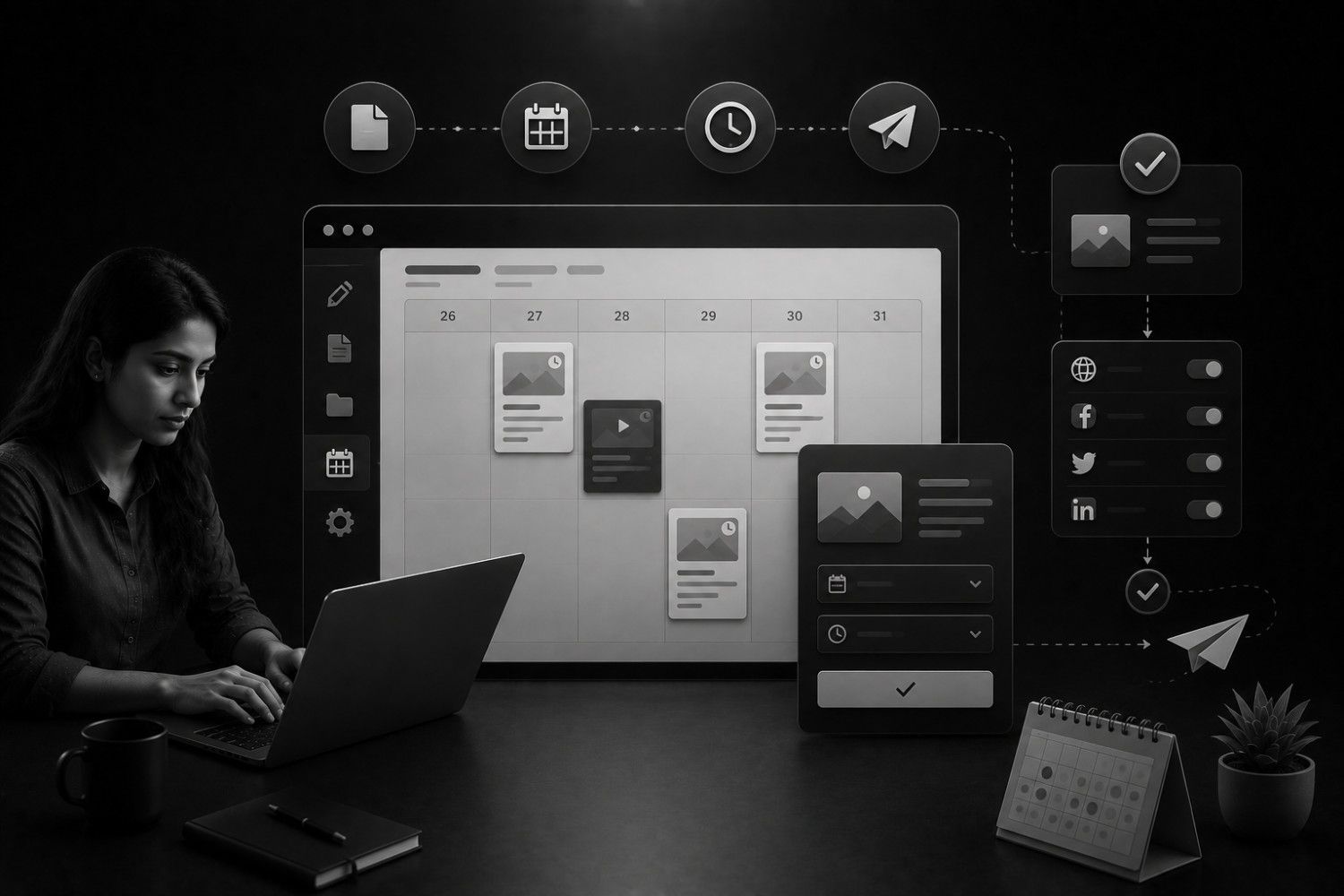
Plan and schedule content publication in advance to ensure timely delivery. Utilize an intuitive calendar interface to visualize upcoming posts and manage deadlines effectively. Automate the publishing process to enhance consistency and engagement without manual intervention

Integration with Third-Party Plugins and Tools
Expand the functionality of your content management system by integrating with various third-party plugins and tools. Access features such as social media sharing, analytics, and email marketing to enhance your content strategy. Streamline workflows by connecting with tools you already use
Mobile Responsiveness
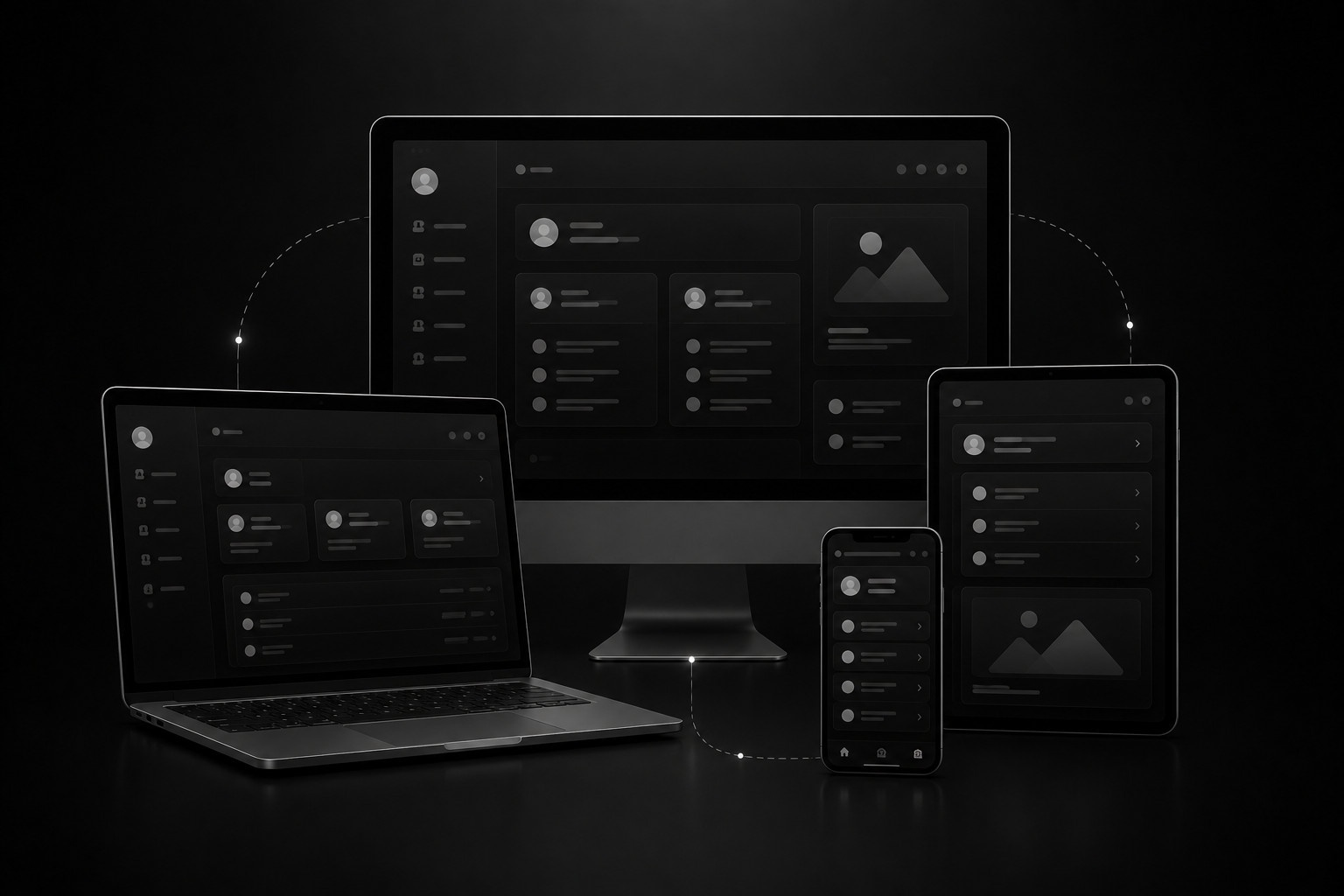
Ensure your content looks great on all devices with mobile responsiveness features that automatically adjust layouts for smartphones and tablets. Enhance user experience by providing fast loading times and easy navigation. Optimize content for mobile search to reach a broader audience effectively
Inside the product

Visual Showcase

Visual Showcase
Answers before you buy
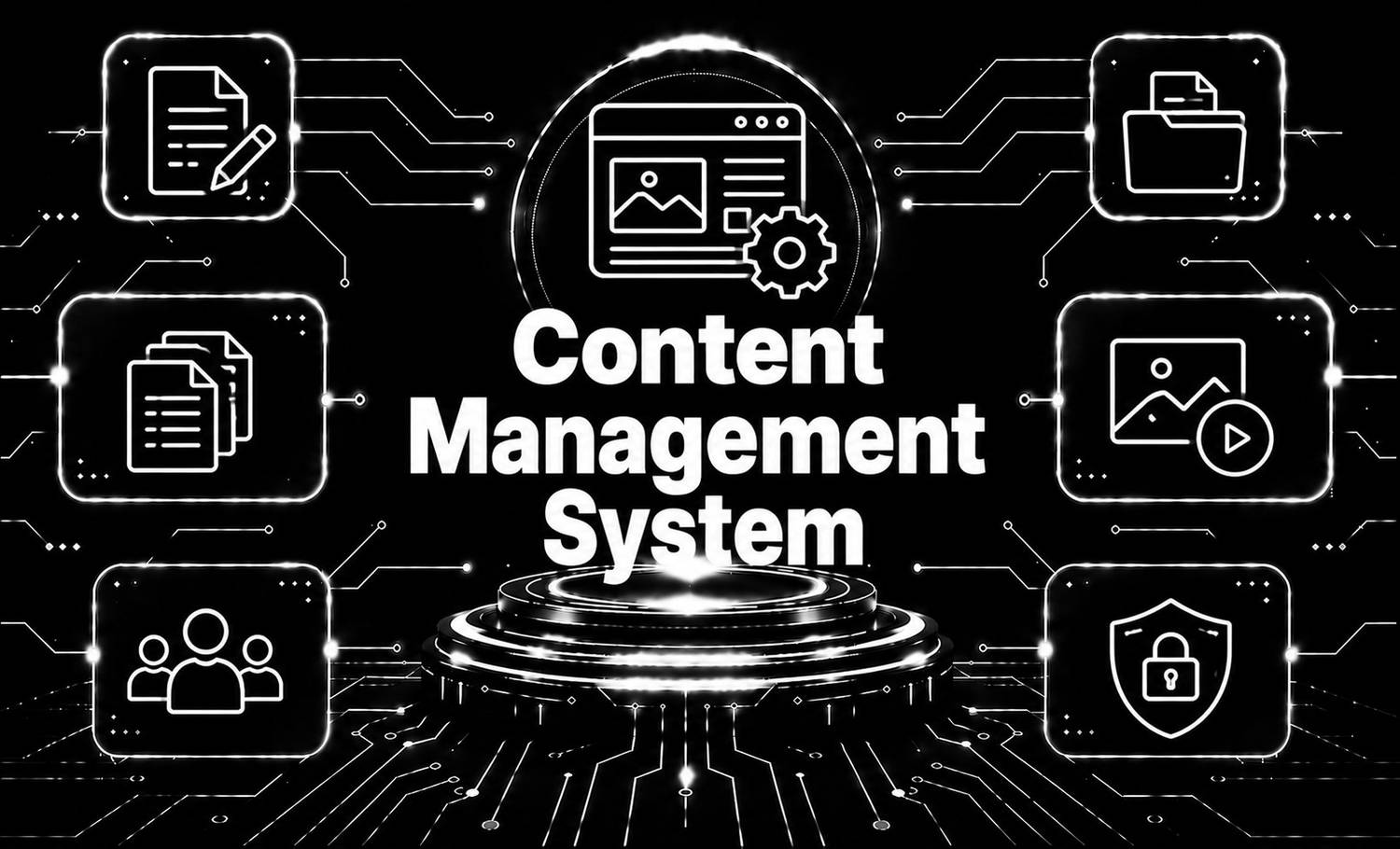
A Content Management System (CMS) is a software application that enables users to create, manage, and modify content on a website without needing specialized technical knowledge. It provides tools for content creation, editing, and organization, allowing users to easily publish and update content. With a CMS, teams can collaborate more effectively and streamline their workflows
To optimize your content for SEO, focus on incorporating relevant keywords naturally throughout your text, including titles, headings, and meta descriptions. Utilize SEO tools to analyze your content for readability and keyword density, ensuring you meet best practices. Additionally, ensure your content is well-structured and includes internal and external links to improve search engine visibility
Yes, most Content Management Systems allow you to schedule content for future publication. You can set specific dates and times for your content to go live, ensuring timely delivery without manual intervention. This feature helps you maintain a consistent posting schedule and engage your audience at optimal times
What teams say
“Integrating third-party tools has expanded our CMS capabilities, allowing us to enhance our content strategy and improve overall productivity.”

“The version control feature allows us to track changes easily and revert if needed. It's reassuring to know we can undo any mistakes!”

“The responsive design ensures our website looks great on any device. Our visitors have commented on the improved user experience!”

“Managing user roles and permissions has improved our team collaboration immensely. Everyone can focus on their tasks without any confusion”

“The customization options are endless! We were able to tailor our site’s design to perfectly match our branding and vision”

“Content scheduling has saved us so much time! We can plan our posts in advance and ensure consistent engagement with our audience”

“The media management feature is fantastic! I can organize all our images and videos seamlessly, making it easy to find what I need”

“Thanks to the SEO tools integrated into the CMS, we've seen a noticeable increase in our website traffic. It's a game-changer for our marketing strategy!”

“I love how easy it is to update our blog posts with this CMS. The interface is intuitive, and I can publish content in just a few clicks!”

“The Content Management System transformed the way we manage our website. It's user-friendly and has made our content creation process so much more efficient!”